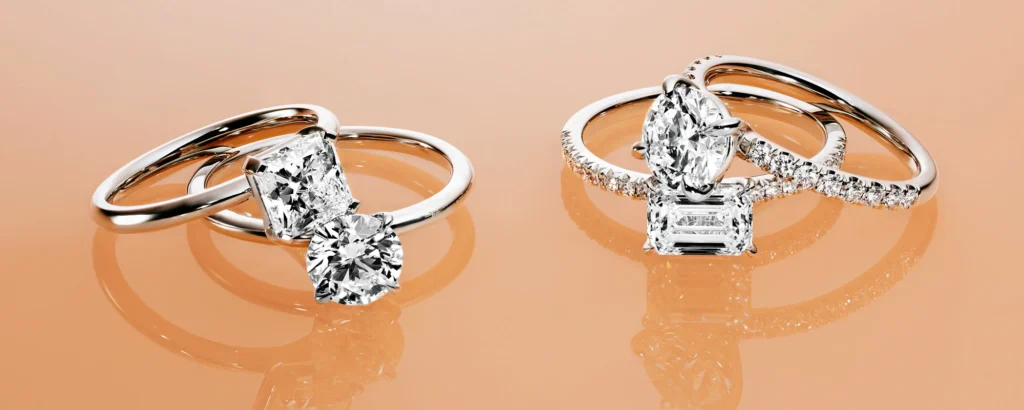
How to Choose the Perfect Engagement Ring: A Guide for Every Budget
Choosing the perfect engagement ring is one of the most meaningful and exciting decisions in life. With so many options available—various styles, metals, and diamonds or gemstones—it can feel overwhelming. The good news is that no matter your budget, there are beautiful and thoughtful options to suit your needs. This guide will walk you through the process of selecting an engagement ring that matches both your partner’s style and your financial comfort.
Step 1: Set a Budget
Before you start browsing rings, it’s important to establish a clear budget. Engagement rings come in a wide range of prices, from a few hundred dollars to several thousand, so having a budget in mind will help you narrow down your options. It’s commonly said that you should spend about two months’ salary on an engagement ring, but this guideline is flexible. The most important thing is that you choose something that feels right for you, your partner, and your financial situation.
If you’re working with a tight budget, don’t worry! There are still many beautiful options, and a thoughtful approach can result in a stunning ring without breaking the bank. Consider saving up over time or looking into financing options if needed.
Step 2: Choose the Metal for the Band
The metal you choose for the band of the engagement ring will affect both its appearance and durability. Here are the most popular metal choices:
- Platinum: This is a premium, durable, and hypoallergenic option. Platinum is a symbol of luxury and is perfect for those looking for a long-lasting, high-end ring. It’s more expensive than other metals, but it’s a great choice for an enduring piece.
- Gold (Yellow, White, or Rose): Gold is classic and comes in several color options:
- Yellow Gold: Offers a traditional, warm tone.
- White Gold: Has a sleek, modern look, and is a more affordable alternative to platinum.
- Rose Gold: A romantic, vintage-inspired metal with a pinkish hue.
- Silver: Silver is an affordable and popular choice, but it’s less durable than gold or platinum. It’s perfect for a more budget-friendly ring, but it may require more maintenance to keep its shine.
- Titanium or Tungsten: These modern metals are lightweight, durable, and often less expensive than traditional gold or platinum.
Step 3: Understand the 4 Cs of Diamonds
If you’ve decided on a diamond for the center stone, you’ll need to familiarize yourself with the 4 Cs: Cut, Color, Clarity, and Carat weight. Each of these factors influences the diamond’s appearance and price.
- Cut: The cut refers to how the diamond is shaped and faceted, affecting its sparkle. It’s the most important factor when determining a diamond’s beauty and value. A well-cut diamond will appear more brilliant and dazzling.
- Color: Diamonds are graded on a scale from D (colorless) to Z (light yellow or brown). The less color in a diamond, the more valuable it is. If your budget is tight, consider a near-colorless diamond (grades G–I) for a great balance of beauty and price.
- Clarity: This refers to the presence of internal or external imperfections, called inclusions or blemishes. Diamonds are graded from Flawless (no inclusions) to Included (inclusions visible to the naked eye). If your budget is limited, a diamond with minor inclusions (graded SI1 or SI2) may offer great value without sacrificing beauty.
- Carat Weight: Carat refers to the size of the diamond. While larger diamonds tend to cost more, remember that the other three Cs have a significant impact on the price. You can save money by choosing a slightly smaller diamond that is still well-cut and near-colorless.
Step 4: Consider Alternative Gemstones
If a diamond is outside of your budget, or if your partner prefers something unique, consider alternative gemstones. Many couples are opting for sapphires, emeralds, rubies, or even non-traditional stones like aquamarine and morganite. These gemstones can be just as stunning as diamonds and often cost significantly less. Additionally, colored gemstones can add a personal and creative touch to the ring.
- Sapphire: Known for its deep blue color, sapphire is an enduring and popular choice for engagement rings. It’s also one of the hardest gemstones, making it durable for daily wear.
- Emerald: Emeralds are known for their vibrant green color. They are softer than sapphires or diamonds, so they may require extra care.
- Ruby: Rubies are prized for their rich, red hue and are a symbol of love and passion. Like sapphires, rubies are durable enough for everyday wear.
- Moissanite: A popular diamond alternative, moissanite is almost as hard as a diamond and displays incredible brilliance. It’s often more affordable than diamonds and offers great sparkle.
Step 5: Choose the Setting
The setting refers to how the gemstone is placed in the band. The setting influences the ring’s overall appearance and can also impact its durability. Popular setting styles include:
- Solitaire: A single gemstone placed on a plain or ornate band, this classic setting highlights the beauty of the stone itself.
- Halo: A center stone surrounded by smaller diamonds or gemstones, the halo setting adds extra sparkle and makes the center stone appear larger.
- Three-Stone: A ring featuring three gemstones, symbolizing the past, present, and future of your relationship.
- Pavé: Small diamonds or gemstones are set closely together on the band, giving the appearance of a continuous line of sparkle.
- Vintage/Antique: Rings with intricate detailing and old-world designs. These settings may include filigree work, engraving, or unique stone arrangements.
Step 6: Choose the Right Ring Size
It’s important to select the correct ring size for your partner. If you don’t know the size, you can ask their friends or family for help, or borrow a ring they wear on the correct finger. Most jewelers will offer resizing services if needed, but it’s best to get as close as possible from the start.
Step 7: Consider Customization
If you want something truly unique, consider designing a custom engagement ring. Many jewelers offer the option to create a bespoke design that reflects your partner’s style and personality. While custom designs can be more expensive, it’s possible to create a custom ring within your budget by selecting the right materials and features.
Step 8: Shop Around and Compare Prices
Once you have an idea of what you’re looking for, shop around at different jewelers, both online and in-store. Prices can vary, so it’s important to compare options to ensure you’re getting the best value for your money. Look for jewelers that offer high-quality, certified diamonds or gemstones and offer transparent pricing.
Final Thoughts
Choosing the perfect engagement ring is a deeply personal decision, and it doesn’t have to be based on price alone. Whether you’re on a tight budget or ready to splurge, the key is to focus on what matters most: your partner’s tastes, your love story, and the meaning behind the ring. With thoughtful consideration, you can find a beautiful ring that will be cherished for a lifetime, no matter the budget.